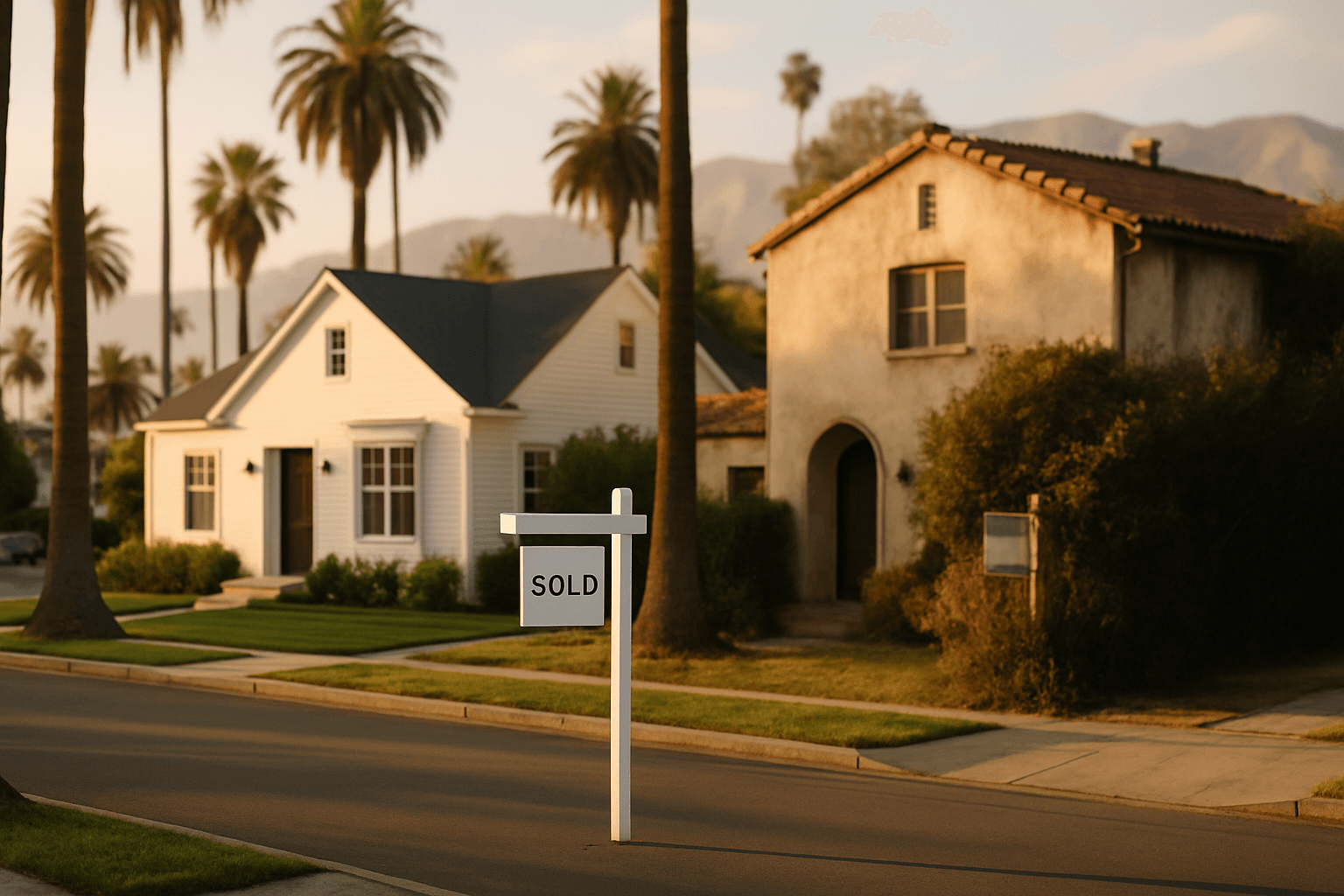
First Time Buyer? Here's What Nobody Tells You
First Time Buyer? Here's What Nobody Tells You By Suzanna Saharyan | HomeNest Real Estate | CENTURY 21 Realty Masters --- Buying your first home i...
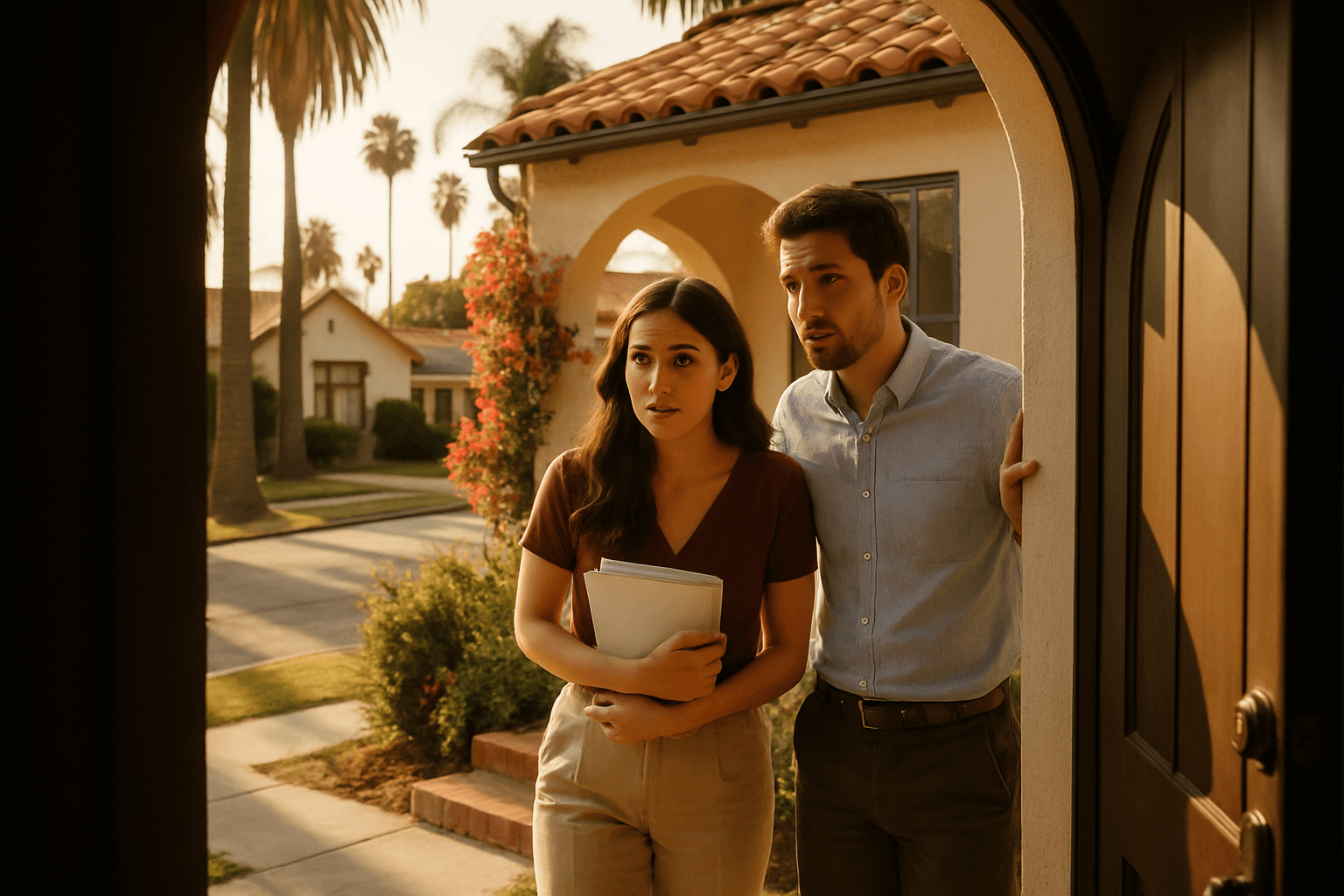
First Time Buyer? Here's What Nobody Tells You
By Suzanna Saharyan | HomeNest Real Estate | CENTURY 21 Realty Masters
Buying your first home in Los Angeles is exciting. It's also a little overwhelming, a little confusing, and — if you're being honest — kind of terrifying. You've probably done your research. You've scrolled Zillow at midnight, watched YouTube videos about escrow, and asked your cousin who bought a place in Glendora three years ago for advice.
But there's a whole layer of this process that doesn't show up in the guides. The stuff that catches buyers off guard. The things that feel obvious in hindsight but nobody actually tells you before you're sitting at a table trying to make the biggest financial decision of your life.
That's what this post is about.
The Pre-Approval Letter Is Just the Beginning
Getting pre-approved feels like crossing the finish line. It's not. It's more like getting your race bib — it means you're allowed to participate.
Your pre-approval is based on a snapshot of your financial picture at a specific moment. Lenders will verify everything again before closing. That means if something changes between pre-approval and the close of escrow — a new credit inquiry, a job change, a large deposit that can't be explained — it can slow things down or even derail the deal.
Here's what that means practically:
- Don't open new credit cards or take out any loans after you get pre-approved
- Don't make large, unexplained deposits into your bank accounts
- Don't change jobs if you can avoid it, even if it's a better offer
- Keep paying all your bills on time, without exception
Your lender will likely pull your credit again right before closing. Treat your finances like they're frozen in place until you have keys in hand.
Your Budget and Your Comfort Zone Are Two Different Numbers
The bank will tell you how much you can borrow. That number is often higher than what you should actually spend.
In Los Angeles, it's easy to get stretched. You're competing in neighborhoods like Eagle Rock, El Sereno, Hawthorne, or Norwalk, and every time you get outbid, the temptation grows to just go a little higher. Before you know it, you're looking at homes at the very top of your approval range.
Be honest with yourself about what monthly payment actually lets you sleep at night. Factor in:
- Property taxes
- Homeowners insurance
- HOA fees (very common in LA condos and gated communities)
- Maintenance and repairs — homes need things, and that costs money
- Utilities, especially if you're moving from an apartment to a house
The goal of buying a home is to build stability, not to be house-poor and stressed every month.
Multiple Offer Situations Are Emotional — Plan for That
In LA, well-priced homes in neighborhoods like Alhambra, Whittier, or Downey often attract multiple offers. When you've fallen in love with a house — when you can already picture your furniture in the living room — losing it to another buyer genuinely hurts.
I've watched buyers make rushed decisions because they were emotionally exhausted from losing out. I've also watched buyers talk themselves into going way over their comfort zone just to "win."
Here's my advice: decide your maximum number before you write an offer, not during the heat of the moment. Write it down. If the home goes above that number, let it go. Another home will come. That's not a cliché — it's just true.
The Inspection Is Not a Checklist to Scare You
First-time buyers often read an inspection report and feel like the house they loved is secretly falling apart. A 30-page inspection report with 60 items listed sounds catastrophic. Usually, it isn't.
Every house — even brand-new construction — will have items on an inspection report. The question isn't whether issues exist. It's which ones are safety concerns, which ones need immediate attention, and which ones are simply deferred maintenance or cosmetic notes.
Work with your agent to understand what's material versus what's minor. Some things you negotiate. Some things you accept. Some things are genuinely deal-breakers. Knowing the difference comes with experience, which is one reason having the right representation matters so much.
You Have More Negotiating Room Than You Think
Many first-time buyers assume the list price is fixed and that asking for anything will offend the seller and cost them the deal. That's not how it works.
Yes, in a competitive offer situation, you may not have much room. But in many transactions — especially in slower price ranges or with homes that have been sitting for a few weeks — there is real room to negotiate. That includes:
- Price
- Closing costs (you can ask the seller to contribute)
- Credits for repairs found during inspection
- The timeline — sometimes sellers need flexibility on when they move out
Don't be afraid to ask. The worst answer is no, and you're no worse off than before you asked.
The Closing Cost Surprise
I see this catch buyers off guard all the time. You've saved up your down payment. You feel prepared. Then someone mentions closing costs and you realize there's another chunk of money you need to have ready.
Closing costs in California typically include lender fees, title insurance, escrow fees, prepaid property taxes, and more. The total varies based on your purchase price and loan type. Talk to your lender early about what to expect so you're not caught off guard. You can also ask about rolling some costs into your loan or requesting a seller credit to offset them — your lender and agent can walk you through the options.
Your Agent Works for You — Use Them
This sounds obvious, but so many first-time buyers are hesitant to ask questions or feel like they're being a burden. You are not a burden. Your agent's job — my job — is to guide you through every step of this process, explain things you don't understand, and advocate for your best interests.
Ask every question you have, even if it feels like a small one. Ask it twice if the first answer didn't make sense. The more informed you are, the better decisions you'll make.
One More Thing Before You Start
Buying a home is one of the most meaningful things you'll do. It's not just a financial transaction — for most people, it's deeply personal. It represents stability, roots, a place that's truly yours.
In a market as complex as Los Angeles — with everything from Boyle Heights to Torrance to the San Gabriel Valley all operating differently — you deserve someone in your corner who knows the market, tells you the truth even when it's not what you want to hear, and is genuinely invested in helping you land the right home at the right price.
If you're thinking about buying your first home in LA County, Orange County, Riverside, San Bernardino, or Ventura County, I'd love to talk. No pressure, no scripts — just a real conversation about where you are and where you want to go.
📍 Visit homenest.house to explore listings and resources, or call me directly at 323-472-7059.
Let's find you a home.
— Suzanna Saharyan, Realtor | CENTURY 21 Realty Masters
Have a question about your home?
Suzanna Saharyan and the HomeNest team help homeowners across Southern California make confident moves. Get a free home value estimate or talk to a real human — no spam, no pressure.