Should You Sell As-Is or Make Repairs First?
Should You Sell As-Is or Make Repairs First? A Los Angeles Seller's Guide One of the first questions I hear from sellers across Los Angeles County —...
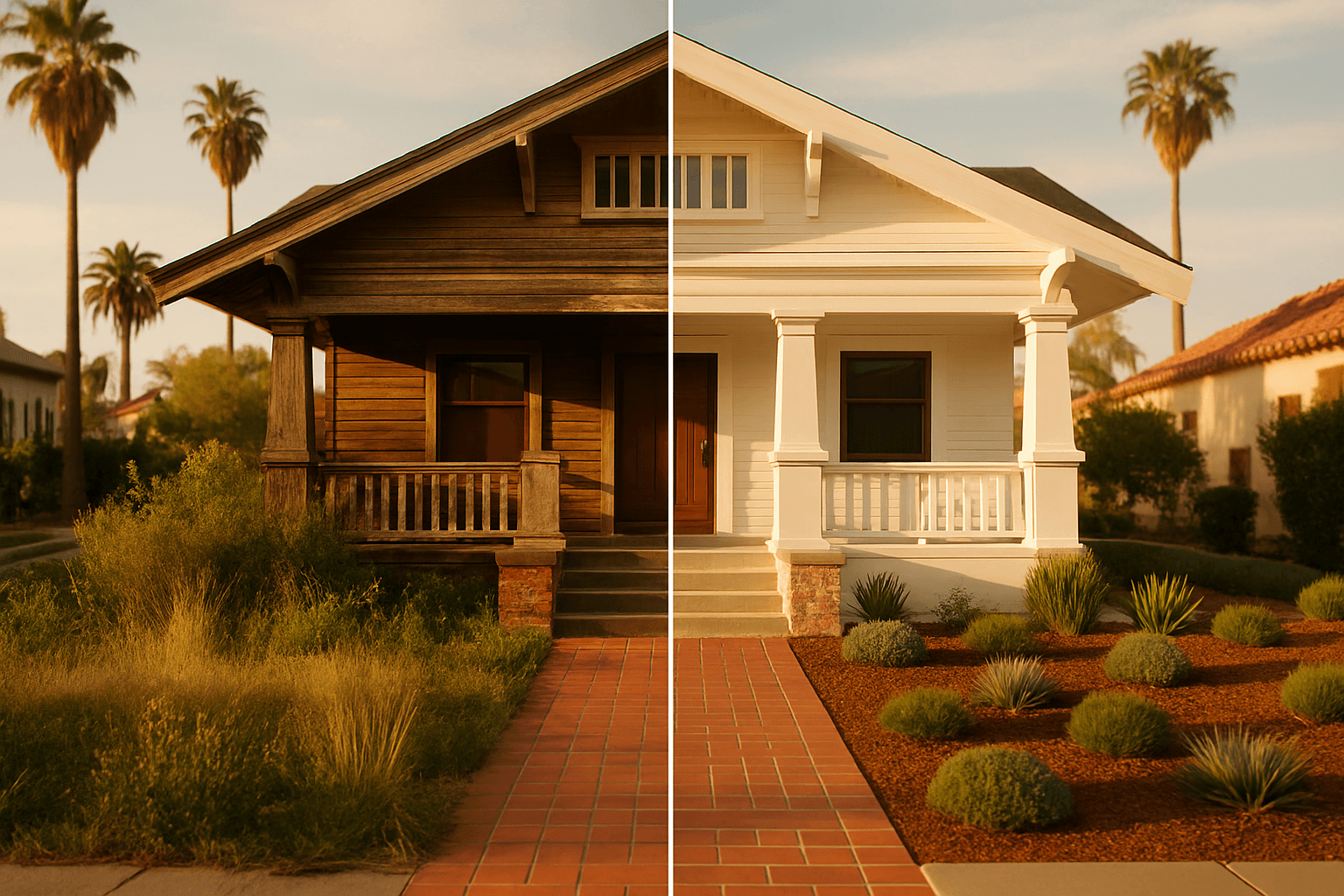
Should You Sell As-Is or Make Repairs First? A Los Angeles Seller's Guide
One of the first questions I hear from sellers across Los Angeles County — from Glendale to Gardena, from Pasadena to Pomona — is some version of this: "Do I need to fix everything before I list, or can I just sell it the way it is?"
It's a great question, and honestly, there's no one-size-fits-all answer. The right choice depends on your specific home, your timeline, your financial situation, and what the market in your neighborhood is doing right now. What I can do is walk you through how I think about this decision with my sellers so you can make a choice that actually serves your goals — not just a choice that sounds simple.
First, Let's Define What "As-Is" Actually Means
Selling as-is means you're putting the home on the market in its current condition and making it clear you don't intend to make repairs — even if issues come up during the buyer's inspection. It does not mean you get to hide known defects. California law still requires sellers to disclose material facts about the property's condition. Always consult with a real estate attorney or tax advisor regarding your specific legal obligations before listing.
As-is sales happen for all kinds of reasons. Sometimes it's an estate property or a probate sale where the family simply doesn't have the bandwidth or resources to renovate. Sometimes sellers are dealing with financial hardship or need to relocate quickly. And sometimes — more often than people think — the numbers just don't justify spending money on repairs.
When Selling As-Is Makes Sense
There are real situations where selling without making repairs is the smartest move. Here's when I typically have that conversation with my sellers:
-
You're in a distressed situation. If you're facing foreclosure, going through a divorce, managing a probate property, or dealing with a financial hardship, speed often matters more than top dollar. Getting to the closing table quickly can be more valuable than squeezing out an extra few thousand through renovations.
-
The repairs are too extensive. If your home in Compton or El Monte needs a new roof, foundation work, and a full kitchen remodel, the upfront cost might not be recoverable in the sale price. In some cases, you'd spend $80,000 to net an extra $60,000 — that's not a win.
-
You're targeting investors or cash buyers. Parts of Los Angeles have a very active investor market, especially in areas with older housing stock. Buyers in these segments expect to do work. They're not looking for move-in ready — they're looking for opportunity, and they'll price accordingly.
-
The market is hot in your area. In neighborhoods with low inventory, buyers sometimes compete for homes regardless of condition. If demand is strong enough, as-is can still yield a solid offer.
When Making Repairs or Updates Is Worth It
On the other side, there are plenty of scenarios where strategic updates genuinely pay off — and the key word is strategic. I never recommend sellers throw money at a property without thinking it through first.
-
Cosmetic issues are costing you buyers. Outdated paint, worn carpet, dingy light fixtures — these are relatively inexpensive fixes that have an outsized effect on how buyers perceive a home. First impressions matter enormously, and buyers in places like Arcadia, Whittier, or West Covina tend to be discerning.
-
You have time and a budget. If you're not in a rush and you have capital available, targeted updates can increase your sale price and reduce the number of days on market. Fresh paint, refinished floors, and a cleaned-up kitchen can change the feel of a home completely.
-
Your home needs repairs that will flag on inspection. If your home has issues that are almost certain to come up during a buyer's inspection — think HVAC problems, plumbing leaks, or electrical concerns — addressing them before listing removes a major negotiating chip from the buyer's hand. Otherwise, you risk price reductions or a deal falling apart entirely.
-
The comparable sales in your area support it. If updated homes nearby are selling for meaningfully more than unrenovated ones, the math might justify the investment. This is where looking at real data matters.
The Repairs That Almost Always Pay Off (And the Ones That Often Don't)
Not all repairs are created equal. Here's a general breakdown of how I guide my sellers:
Typically worth doing:
- Fresh interior and exterior paint
- Deep cleaning and decluttering (this is free — just effort)
- Landscaping and curb appeal improvements
- Fixing obvious deferred maintenance (leaky faucets, broken fixtures, non-functioning appliances)
- Refinishing hardwood floors
Think carefully before doing:
- Full kitchen or bathroom remodels
- Room additions or major structural changes
- Installing a pool (especially in a short sale or distressed situation)
- Any high-end upgrade that exceeds the neighborhood's ceiling price
The danger zone is spending significant money on updates in a neighborhood where the comps simply won't support a higher price. That money doesn't come back to you at the closing table.
How I Help My Sellers Make This Decision
Before I give any seller a recommendation, I walk through the home and look at it the way a buyer would. I think about who the likely buyer is for this property, what condition similar homes in the area are in, and what the current demand looks like. Then I give my honest opinion — not the one that makes things easier, but the one that actually serves your bottom line.
For my sellers dealing with probate properties, trust sales, or distressed situations, I bring in that specialized lens too. Sometimes the decision to sell as-is isn't just financial — it's practical, legal, and emotional. Inherited homes in particular often come with deferred maintenance, family dynamics, and tight timelines that make as-is the most sensible path forward.
What I don't do is tell every seller to renovate because it sounds impressive, or tell every seller to sell as-is because it's easier for everyone involved. My job is to give you the clearest picture possible so you can decide with confidence.
The Bottom Line
Selling as-is isn't giving up, and making repairs isn't always necessary. The right answer comes from looking honestly at your specific home, your specific situation, and your specific market.
If you're trying to figure out which path makes sense for your home in Los Angeles County — whether you're in Montebello, Long Beach, Torrance, or anywhere in between — I'd love to help you think it through.
Visit homenest.house or call me directly at 323-472-7059. There's no pressure, no obligation — just a real conversation about what's best for you.
Suzanna Saharyan is a Realtor with CENTURY 21 Realty Masters, serving LA County, Orange County, Riverside, San Bernardino, and Ventura County. She holds certifications in Short Sales & Foreclosures and Probate & Trust Real Estate.
Have a question about your home?
Suzanna Saharyan and the HomeNest team help homeowners across Southern California make confident moves. Get a free home value estimate or talk to a real human — no spam, no pressure.